
Date
12.01.2026
Construction Begins at Lower John Street
Soho Conservation Area Residential Development Optimised by Stratigic Planning Approach
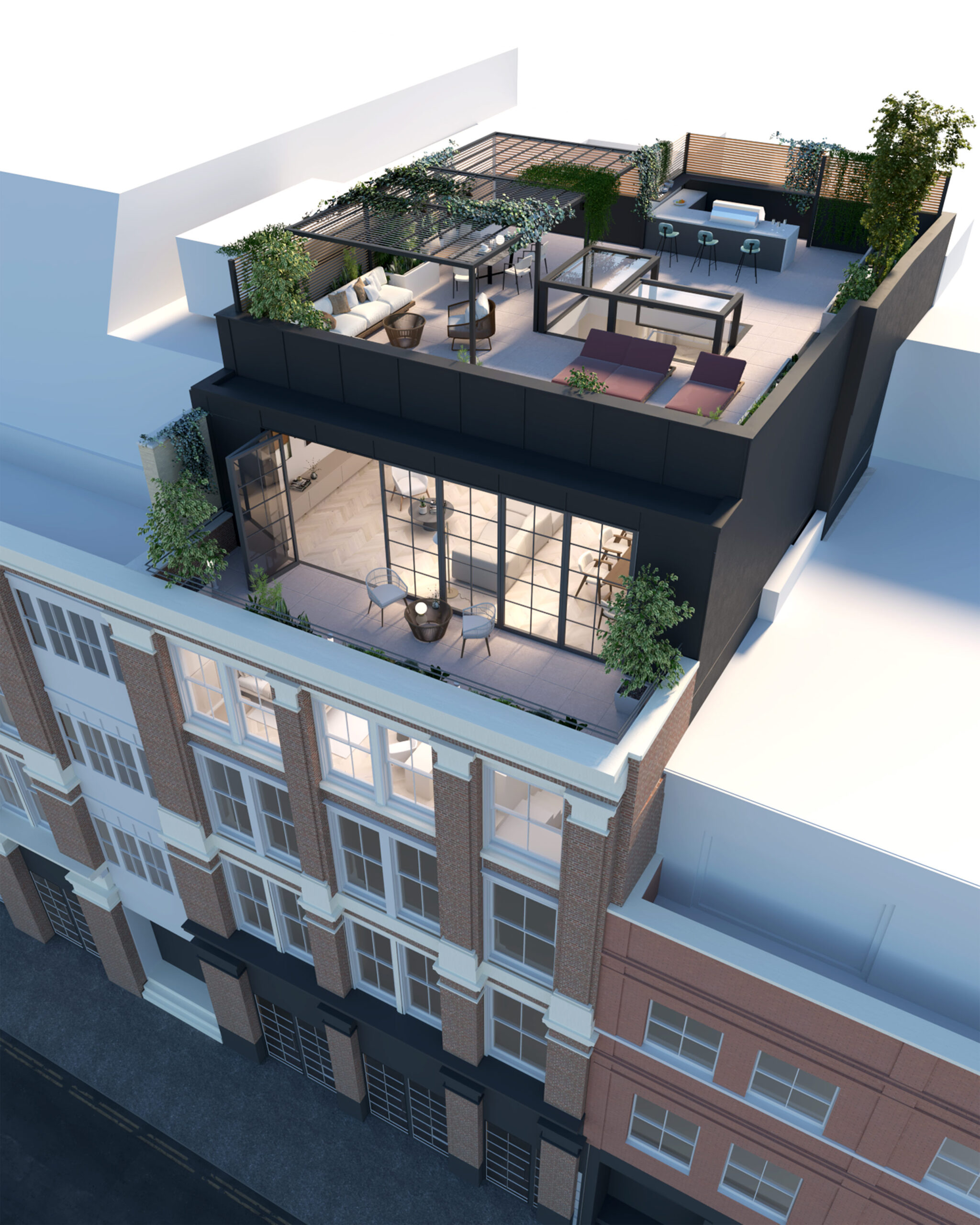
We are pleased to share that construction has now commenced at 1 Lower John Street, marking the delivery of a carefully planned Soho Conservation Area residential development in the heart of Westminster. The project transforms an underused commercial property into contemporary homes within one of London’s most sensitive heritage contexts.The scheme comprises an upward extension and full refurbishment of the existing upper floors, bringing renewed purpose to a building located within the tightly protected Soho Conservation Area.
It demonstrates how a clear planning strategy can unlock residential potential on constrained urban sites, where conservation policy, heritage significance and design quality must be balanced with commercial viability.
Client: Golden Square Group
Architect: Patalab Architects
Planning Consultant: NTA Planning

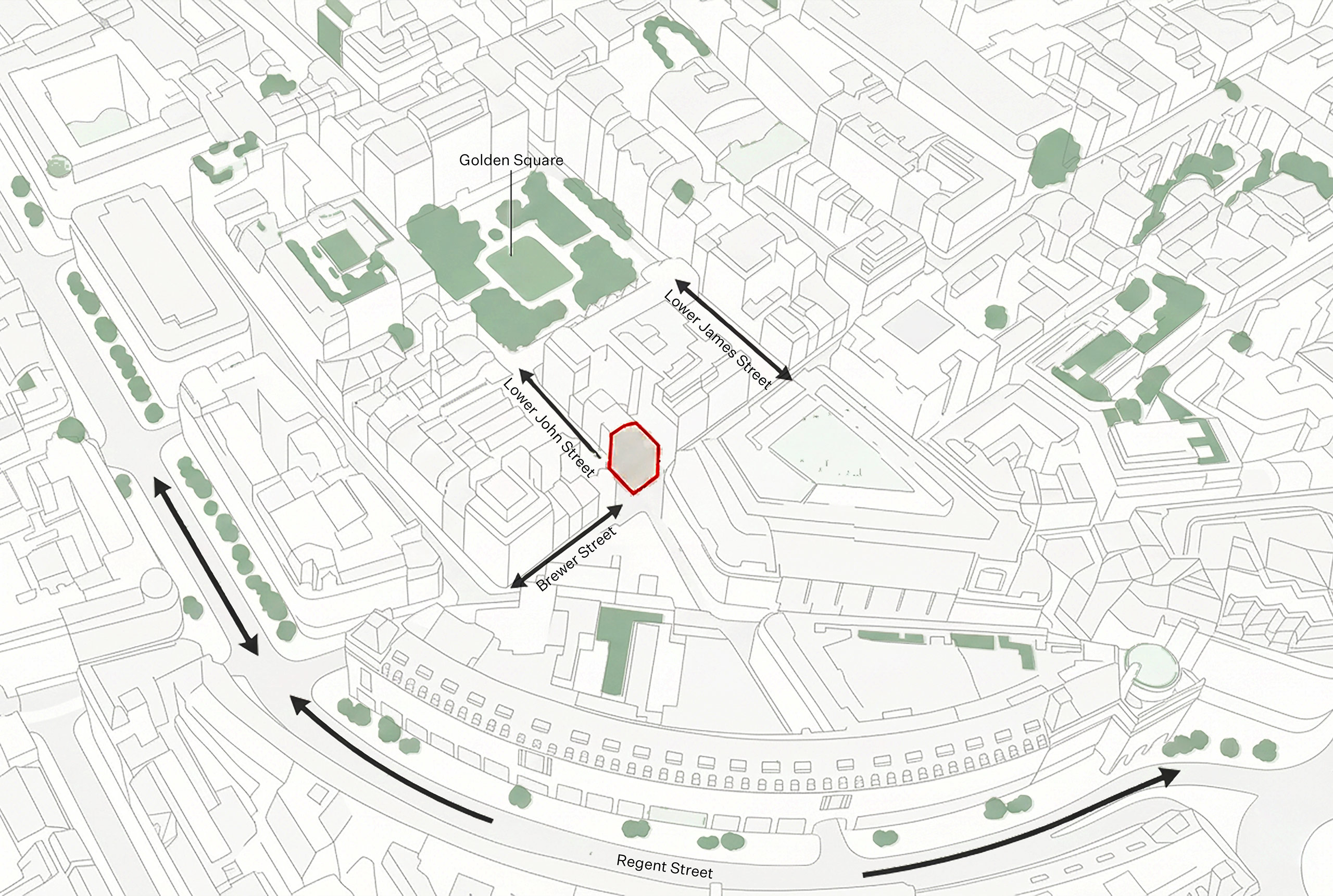
The site lies within the Soho Conservation Area between Golden Square and Picadilly Circus
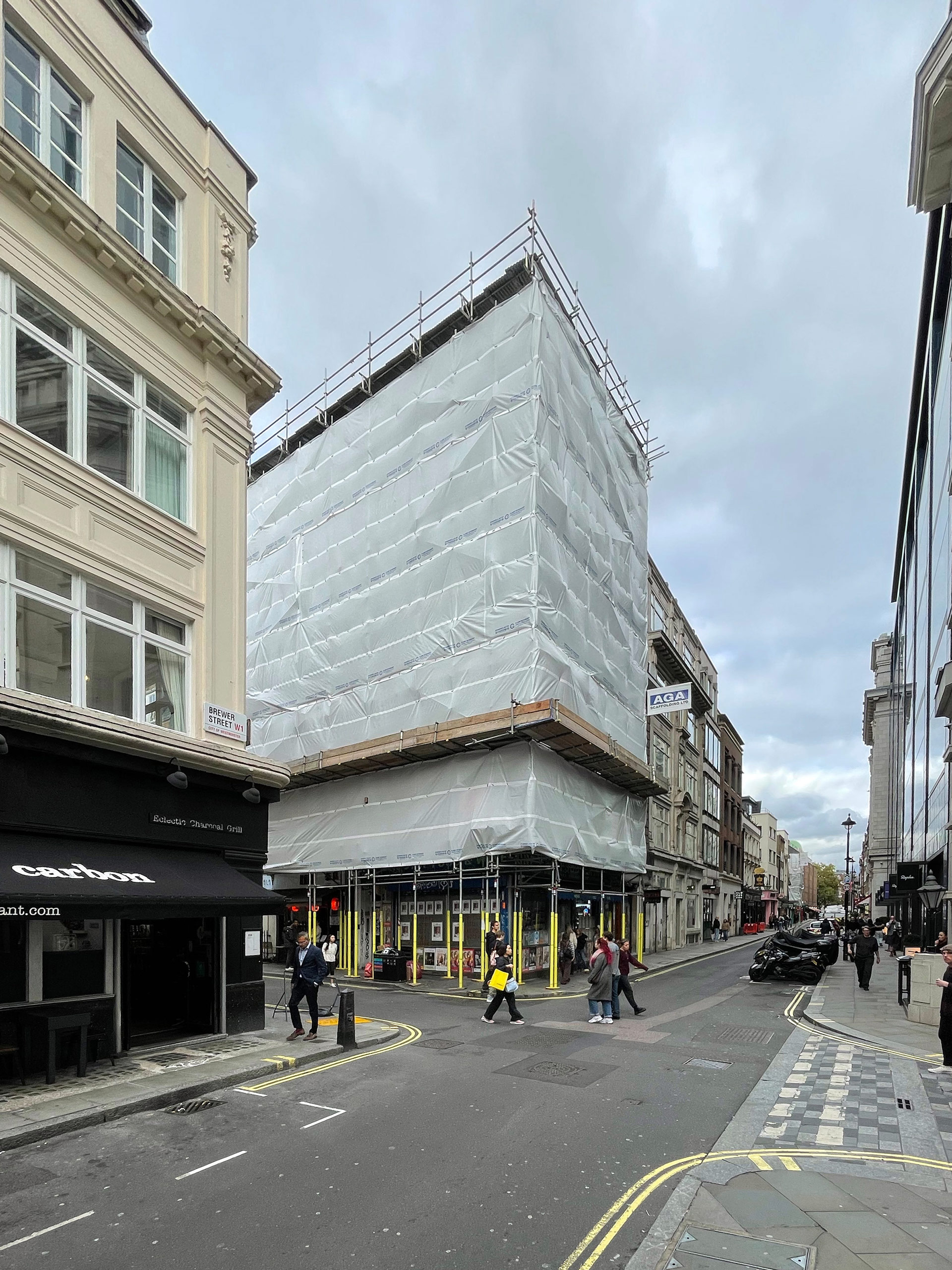
The property forms the corner of Lower John Street and Brewer Street
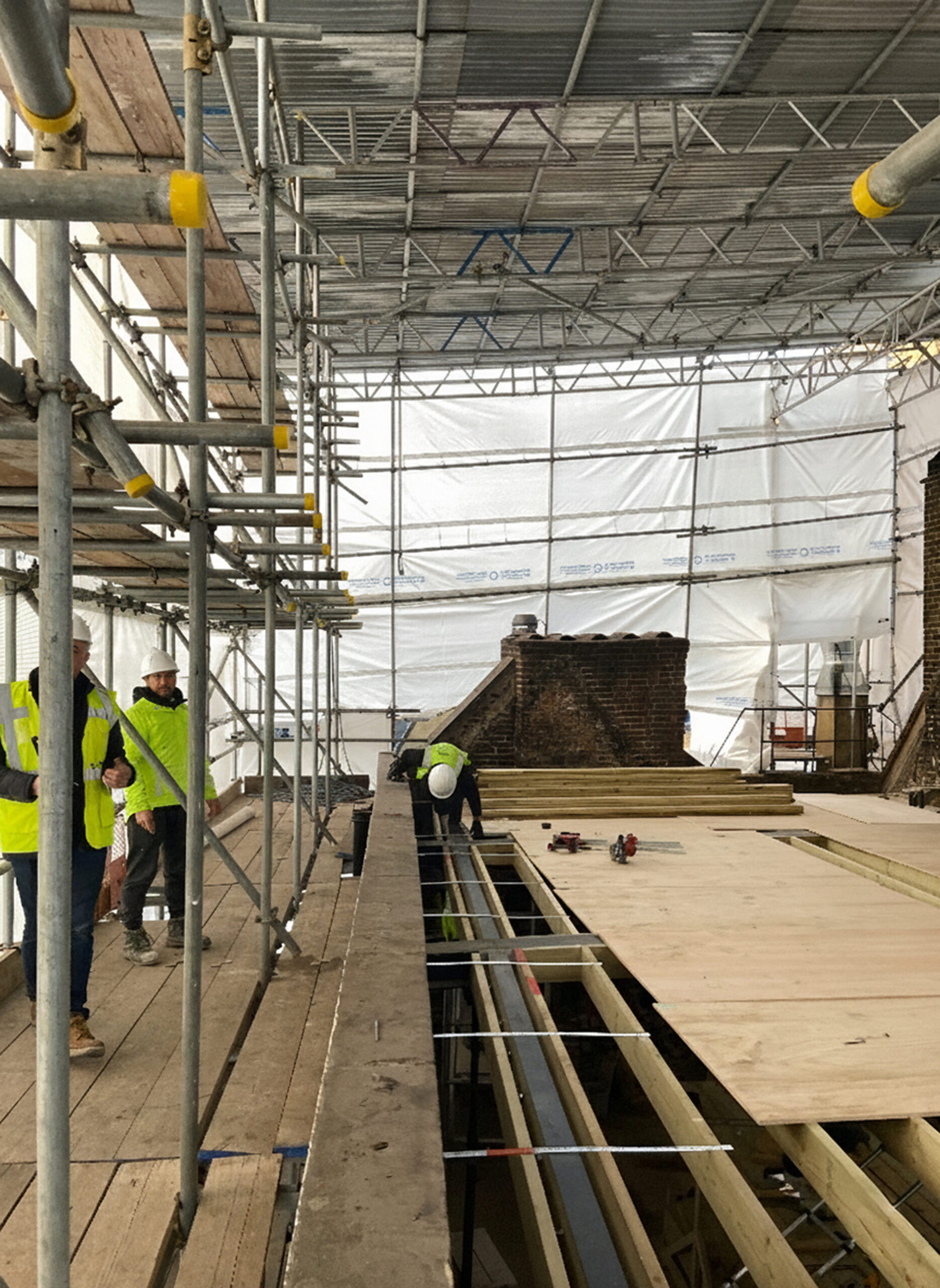
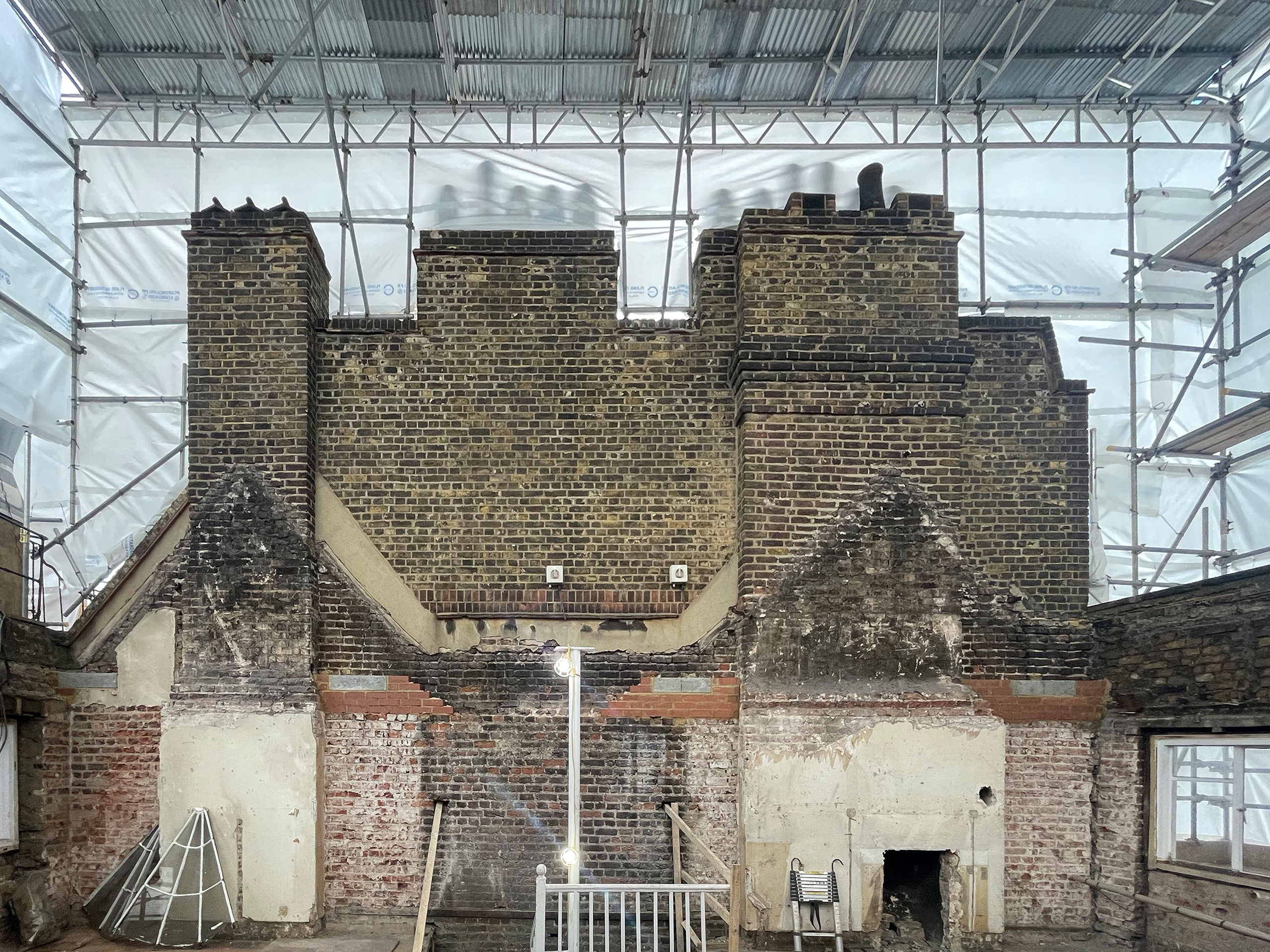
The exisitng roof structure being removed to enable mansard roof extension
Achieving Planning Permission Through a Phased and Collaborative Approach
This Soho conservation area residential development was secured through a phased planning strategy developed collaboratively with NTA Planning, whose expertise was central to shaping a low-risk and policy-aligned approach. The strategy focused on first establishing the principle of residential use before progressing to more ambitious design interventions at roof level. This structured methodology ensured that each stage aligned with the Westminster City Plan and the specific requirements for development within a conservation area, while allowing design quality to evolve incrementally.
Phase 1 – Establishing the Principle of Residential Use
The foundation of the project was laid with an initial approval in May 2024 for the conversion of the vacant upper floors from a former restaurant (Use Class E(b)) to three residential flats (Use Class C3). This vital step firmly established the principle of residential use for the property’s upper levels, retaining commercial use at ground floor level.
Phase 2 – Pre-Application Engagement
Following approval of the baseline scheme, Patalab Architects sought pre-application advice from Westminster City Council to test a more ambitious proposal. This included a mansard roof extension creating a fourth storey and a large maisonette. Early engagement allowed heritage impact, massing and roof form to be reviewed collaboratively with officers, resulting in supportive feedback and a clear design direction appropriate for a Soho conservation area residential development.
Phase 3 – Design Refinement for Heritage Sensitivity
Subsequent design refinements ensured full alignment with planning policy and conservation officer guidance:
• Mansard roof form developed in response to historic roof profiles identified in local character guidance, ensuring a sensitive addition to the street scene.
• Roof terrace carefully calibrated to provide high quality private amenity while safeguarding neighbouring privacy and limiting visual impact.
• High performance heritage glazing replacing poor performing single glazing with timber framed vacuum double glazing, delivering acoustic and thermal improvements with minimal visual change.
Although the building is unlisted, it makes a positive contribution to the Soho Conservation Area as an Unlisted Building of Merit. Listed Building Consent was also required and secured due to works associated with the party wall shared with an adjoining listed building.
Detailed Response to Planning Policy
Expanding Historic Homes
The success of this Soho conservation area residential development rests on its clear and structured response to both local and national planning policy, addressing housing delivery, quality of accommodation and heritage protection in a coordinated manner.
Central to the strategy was compliance with Westminster City Plan Policy 14.B, which supports residential use within the Central Activities Zone where commercial activity is retained at ground floor level. By first securing approval for residential units on the upper floors, the principle of residential use was established before progressing to the mansard extension and larger top floor maisonette.
Accommodation quality was guided by City Plan Policy 12. All homes exceed the Nationally Described Space Standards, with the two-bedroom maisonette significantly surpassing minimum requirements. Layouts provide generous, functional internal spaces, and the maisonette benefits from a roof terrace offering valuable private outdoor amenity.
Heritage considerations were addressed in accordance with City Plan Policy 40.E, with the mansard roof designed to reflect historic roof forms and integrate comfortably within the established character of Lower John Street.
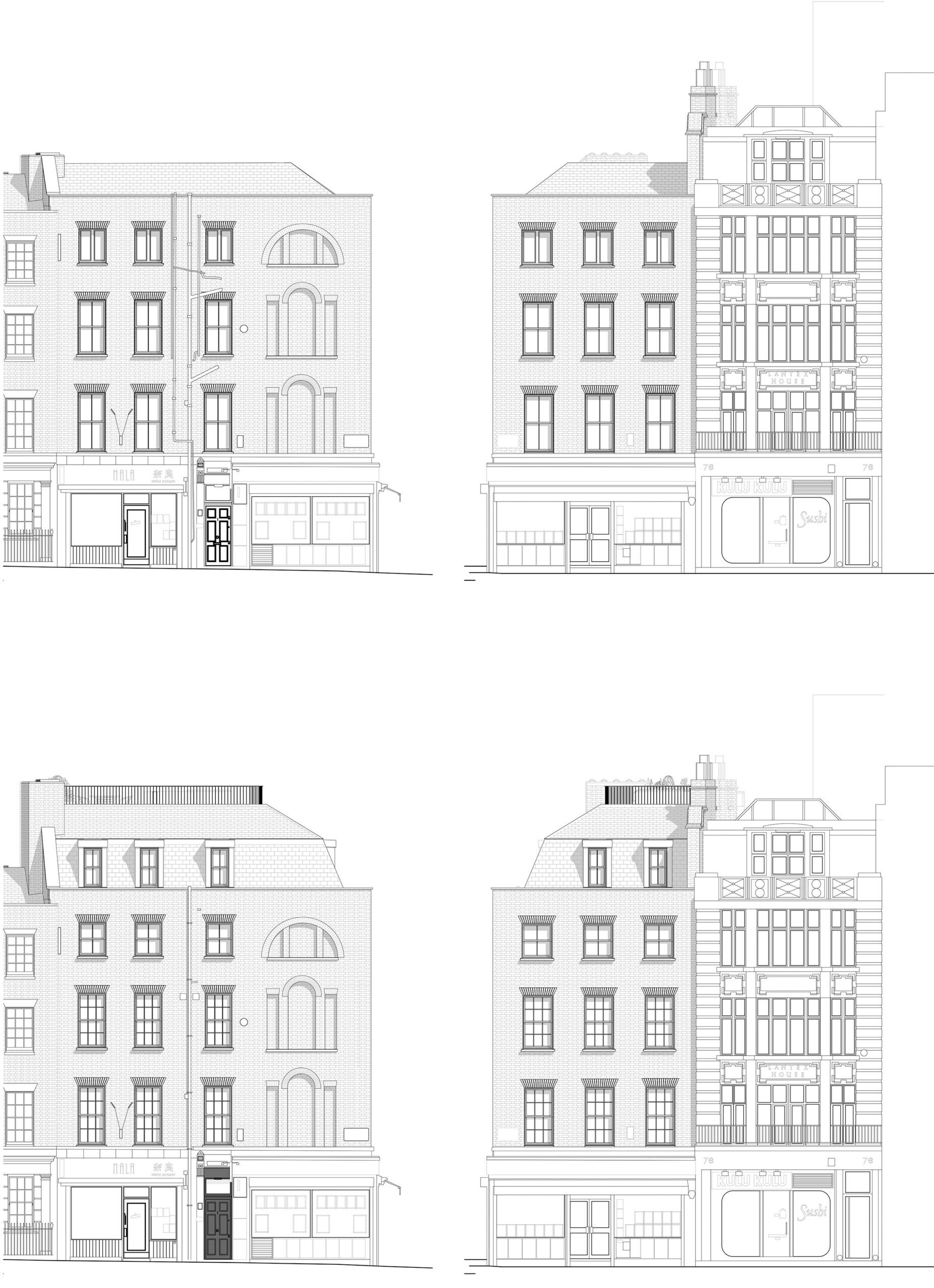
Elevation drawings showing the exisitng (above) and proposed (below)
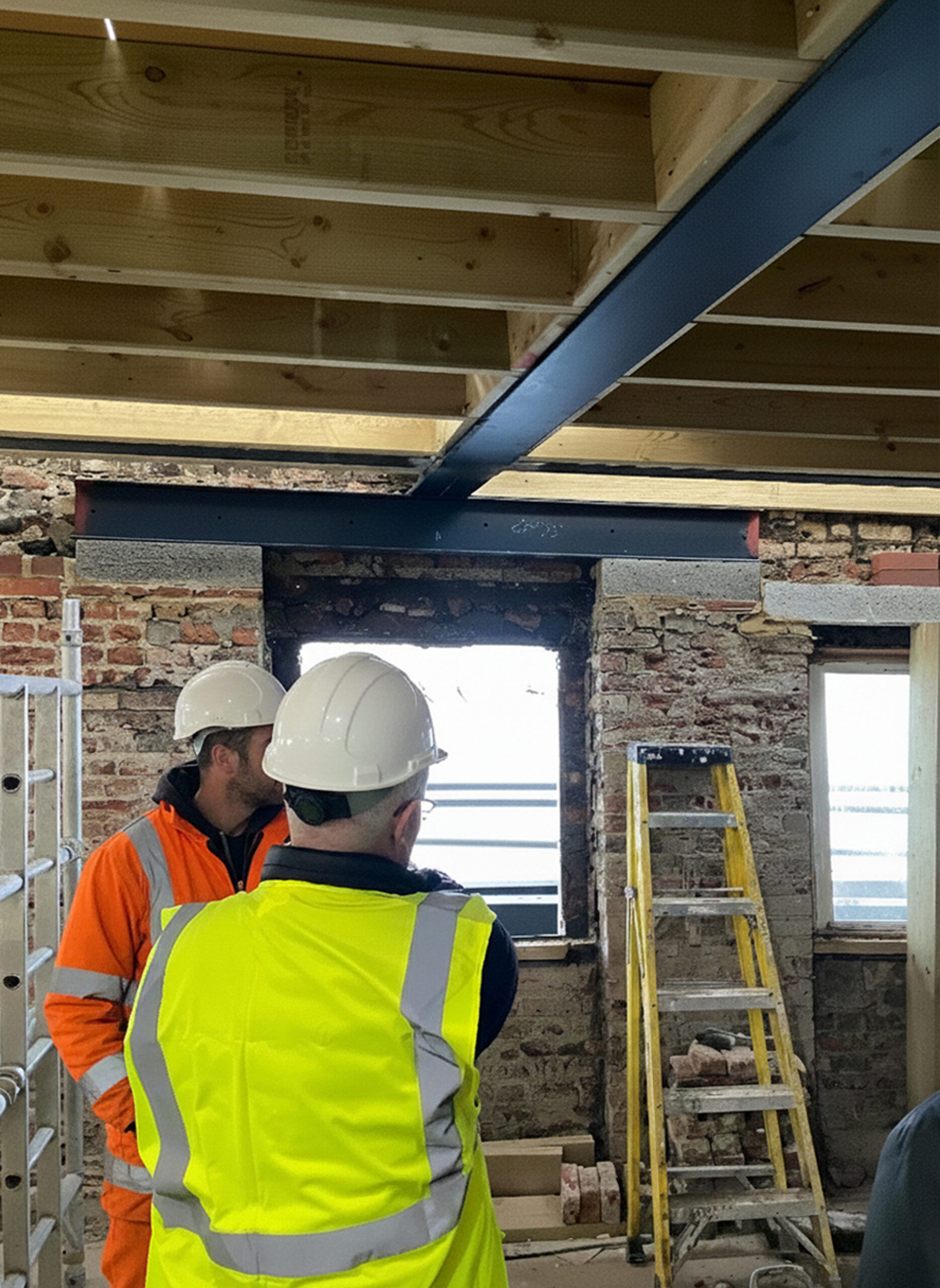
New steel beams installed, providing structural support for the additional floor
Sustainable Design in a Heritage Context
The sustainability strategy for this Soho conservation area residential development was developed in line with City Plan Policies 36 and 38, focusing on improving environmental performance while respecting the building’s heritage context. The Sustainable Design Statement demonstrates how the scheme incorporates fabric first principles, biodiversity enhancements on the roof terrace, and significant upgrades to the building envelope through full internal refurbishment and window replacement.
While air source heat pumps are often promoted as a low carbon solution, their effectiveness in retrofit projects depends on envelope performance. For this project, all external walls have been upgraded with internal insulation, significantly improving thermal efficiency and acoustic comfort. Permission was also granted for comprehensive window upgrades.
Given the sensitivity of heritage contexts, councils are often cautious about conventional double or triple glazing. To address these concerns, vacuum double glazing was specified, offering thermal performance comparable to triple glazing while maintaining a slim profile suitable for traditional timber frames.
The wider refurbishment prioritises durable materials, flexible layouts, efficient resource use and reduced reliance on mechanical systems. These measures support long term adaptability, reduced operational energy demand and the safeguarding of historic character.
Further updates will be shared as this Soho conservation area residential development progresses on site.